Tree pruning in Uxbridge
If you are looking for tree pruning in Uxbridge, you are probably dealing with one of a few common situations: branches are getting too close to the house, a tree is blocking light, a tree crown has become too heavy, or you want to keep mature trees healthy and neat without losing their natural shape. For many local property owners, pruning is not just about appearance. It is about keeping trees safe, protecting buildings, improving light, and making outdoor spaces easier to use.
Uxbridge has a mix of property types, from suburban gardens and family homes to flats with shared grounds, business premises, schools, car parks, and retail spaces. That variety matters because the right pruning approach depends on the tree, the space around it, and what you need the tree to do. A careful pruning job can help a tree flourish, while poor cutting can leave it stressed, unbalanced, or more likely to fail in wind.
Whether you need light crown thinning, crown reduction, deadwood removal, formative pruning for younger trees, or targeted work to keep branches clear of roofs and paths, a local arboricultural team can make the process straightforward. Contact us today if you want practical advice and a clear quote for work carried out with the property and the tree both in mind.
Why pruning matters for Uxbridge properties
Tree pruning supports the long-term health, safety, and shape of trees. In Uxbridge, many gardens include mature trees that were planted years ago and have now outgrown the space around them. Others feature younger trees that need early shaping so they develop a strong framework. In both cases, pruning can make a big difference when done at the right time and in the right way.
For homeowners, the most common reasons to arrange tree pruning in Uxbridge include overhanging branches, reduced daylight, obstructed views, leaf fall into gutters, and branches rubbing against fences, sheds, or masonry. For commercial sites, the reasons may be slightly different: a tidy, well-managed landscape can help maintain safe access, keep entrances clear, and make external areas more presentable for staff and visitors.
Good pruning is selective, not excessive. It should remove the right growth while keeping the tree stable, balanced, and able to recover well. That is why local customers often prefer to use a qualified tree surgery team rather than trying to cut large branches themselves with basic tools.
Benefits of pruning at the right time
Pruning has several benefits when carried out thoughtfully. It can improve the structure of the tree, reduce the chance of branch failure, allow more light into the garden, and help air move through the canopy. Better airflow can be helpful where dense crowns are trapping dampness or causing nearby plants to struggle. In some cases, pruning also reduces interference with neighbouring properties and public walkways.
Another important benefit is that pruning can extend the useful life of a tree. By removing dead, diseased, damaged, or crossing branches, an arborist can reduce stress and encourage healthier regrowth. This is especially useful for ornamental trees in front gardens, where shape and visual balance matter as much as size control.
Not every tree needs the same style of pruning. Some need a light touch; others may need a more targeted reduction or selective crown work. A site visit is usually the best way to decide what is appropriate.
Tree pruning services available in Uxbridge
When customers ask about tree pruning in Uxbridge, they often mean one of several different services. Understanding the difference can help you choose the right work and avoid unnecessary cutting. Each type of pruning serves a distinct purpose and should be matched to the tree species, condition, and location.
Crown reduction is used to reduce the overall height or spread of a tree while keeping its shape as natural as possible. This is often requested where branches have grown too close to roofs, neighbouring gardens, or overhead spaces. Crown thinning removes selected inner branches to reduce density and allow more light and wind to pass through the canopy.
Other common services include deadwood removal, which takes away dead branches that could fall unexpectedly, and crown lifting, which raises the lower branches to improve clearance over paths, driveways, roads, or landscaped areas. Young trees may benefit from formative pruning, which helps establish a strong structure early on and reduces the need for major corrective work later.
What a typical pruning job may include
- Inspecting the tree and discussing your concerns
- Identifying dead, weak, crossing, or overcrowded branches
- Agreeing the right pruning method for the site
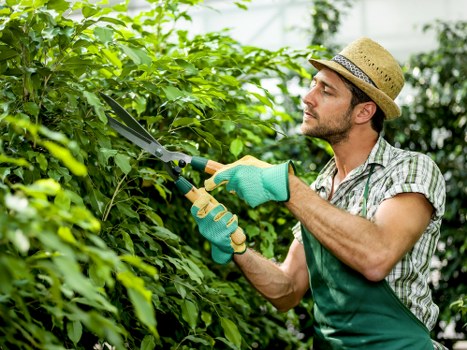
- Carrying out cutting with appropriate tools and safe access methods
- Clearing away branches, brush, and waste from the work area
- Leaving the tree tidy and in a condition suited to healthy recovery
For larger or more awkward trees, additional access planning may be needed. That matters in parts of Uxbridge where garden access is narrow, rear gardens are enclosed, or parking and loading space is limited.
Why a local Uxbridge tree team is useful
Choosing a local service for tree pruning in Uxbridge brings practical advantages. Local arborists are familiar with the types of properties found across the area, including terraced homes, semi-detached houses, detached plots, shared courtyards, commercial forecourts, and managed grounds. They also understand the access challenges that can arise in busy residential streets or sites where equipment must be moved carefully through narrow gaps.
Local knowledge is particularly useful when planning pruning around neighbours, shared boundaries, and restricted working areas. In many cases, customers are less concerned with a dramatic cut and more interested in a solution that is efficient, respectful, and suited to the setting. A local team is more likely to appreciate those practical concerns from the start.
There is also value in having someone who understands the seasonal conditions of the area. Wet ground, compacted borders, overgrown hedges, and uneven access can all affect how work is set up and completed. A team used to working in and around Uxbridge can plan accordingly and keep disruption down.
Typical local situations we see
Garden trees near houses: Branches overhanging rooflines, loft spaces, conservatories, or dormers often need selective reduction or pruning to create safe clearance.
Shared boundaries: Trees on or near property lines sometimes need careful pruning to respect neighbouring space while maintaining the tree’s shape.
Commercial sites: Business parks, schools, care settings, and retail properties often need pruning to keep entrances, signage, and parking areas clear and presentable.
Roadside or frontage trees: Trees near public-facing areas may need work to maintain visibility and safety for pedestrians, drivers, and service vehicles.
How the pruning process works

Most customers want a clear, simple process. When arranging tree pruning in Uxbridge, the work usually begins with a site assessment. This is where the tree is examined, the surrounding space is checked, and the objectives are discussed. Are you trying to reduce shade? Improve clearance? Remove dead wood? Prevent branches reaching the roof? The answer helps shape the approach.
After the assessment, the pruning method is selected. A responsible arborist will avoid removing more growth than necessary and will focus on cuts that support the tree’s structure. If multiple trees are involved, each one is assessed individually rather than treated as a one-size-fits-all job. That approach is especially important in mixed gardens where trees vary in age, species, and condition.
Once the work begins, the team will use suitable equipment and safe access methods for the tree and site. In some gardens, this may involve climbing; in others, it may require portable access equipment or sectional dismantling of branches. When the pruning is complete, the team clears the debris, checks the area, and leaves the site tidy.
What can affect the method used?
- The size and height of the tree
- The species and growth habit
- The current health of the tree
- Nearby buildings, fences, and utilities
- Access through side passages or rear gardens
- Whether the tree is in a private garden or a commercial setting
Customers often appreciate that pruning is not only about what is cut away, but about how it is done. A careful method helps the tree respond well and keeps your property protected during the work.
Common reasons customers request tree pruning in Uxbridge
People call for tree pruning in Uxbridge for many different reasons, and often more than one applies at once. One of the most common is excess shade. If a mature tree is blocking sunlight from a garden room, patio, or greenhouse, selective pruning may help restore some balance without removing the tree completely. Another common reason is clearance, especially where branches are close to roofs, gutters, garages, or driveways.
Safety is another important factor. Dead, split, or rubbing branches may become unstable over time, particularly in windy weather. Pruning can reduce the likelihood of branches falling and can remove weak growth before it becomes a problem. For commercial customers, this can help maintain safer access around loading areas, footpaths, customer entrances, and parking bays.
Some customers book pruning because a tree has simply become too large for its setting. This is often the case in established neighbourhoods where gardens were originally planted with smaller expectations in mind. Rather than removing the tree entirely, pruning can be a balanced way to keep it and manage its size.
Examples of situations pruning can help with
- Branches touching or shading windows
- Limbs overhanging a neighbour’s fence
- Dead wood hanging in the canopy
- Low branches obstructing pathways
- Crowded crowns reducing airflow
- Trees interfering with signs, access routes, or parking spaces
Book your service now if your tree is starting to feel unmanageable. Early intervention is often easier than waiting until the tree becomes difficult to control.
What is included in a professional pruning service
A proper pruning service should be more than a quick cut and tidy-up. Customers in Uxbridge usually want the work done safely, cleanly, and with a clear understanding of what is being removed and why. A professional service should therefore include more than just the physical pruning itself.
Before any cutting starts, the tree should be inspected for visible issues such as decay, storm damage, poor structure, or disease. This is important because pruning decisions can change if the tree has underlying problems. If the tree is near a structure, the team should also consider the safest way to work around the space.
After pruning, the site should be left manageable. That often means removing branches, cutting up larger sections where needed, and clearing the work area of debris. In some cases, logs or wood chip may be left behind if requested, but this should always be discussed first so you know what to expect.
Service features many local customers value
- Clear discussion before work begins
- Appropriate pruning method for the tree type
- Attention to safety and surrounding property
- Waste removal and site clearance
- Respect for lawns, borders, and hard landscaping
- Work suited to domestic and commercial sites
Tree pruning in Uxbridge should leave you with a healthier-looking tree and a more practical outdoor space. It should not create unnecessary damage or a tree that looks heavily scalped.
How to prepare for tree pruning
Preparation helps the job run smoothly and can reduce disruption, especially on tighter sites. If you are arranging pruning at a home, it is useful to think about access, parking, and anything that could get in the way of equipment or falling debris. On commercial premises, the same principle applies, but you may also need to consider staff movements, customer access, and timing.
If the tree is in a rear garden, make sure access gates can be opened and that there is a clear route to the work area if possible. Move garden furniture, ornaments, toys, or vehicles away from the immediate site if you can do so safely. If there are pets, it is wise to keep them indoors or away from the working zone during the visit.
It also helps to mention any concerns in advance. For example, if you have noticed cracking, leaning, fungus, or recent storm damage, tell the team before the visit. The more information available, the better the pruning plan can be tailored to the tree and the property.
Preparation checklist
- Clear access routes where possible
- Move vehicles from driveways if needed
- Remove items from beneath the tree
- Keep pets and children away from the work area
- Flag any nearby structures, cables, or fragile features
- Tell the team about previous pruning or storm damage
A little preparation can save time and help the work go more smoothly.
Pricing factors for tree pruning
Customers often want to know what affects the cost of tree pruning in Uxbridge. While exact prices depend on the site visit and the work involved, several common factors influence the quote. Understanding these can help you compare options sensibly and avoid choosing solely on appearance or speed.
Tree size is one of the main factors. A small ornamental tree in a front garden is usually more straightforward than a tall mature tree with restricted access. The amount of pruning required also matters. A light tidy-up, deadwood removal, and a selective thin will usually involve less time and labour than a more involved reduction or the pruning of multiple large trees.
Access is another major factor. In parts of Uxbridge, rear garden access can be limited, and some properties do not allow easy vehicle loading near the tree. If equipment must be carried through the property or set up carefully in a confined area, that can affect the cost. Disposal needs also matter, especially if there is a large volume of branches or timber to remove.
Common pricing considerations
- Tree height and spread
- Type of pruning requested
- Condition and density of the tree
- Access for equipment and waste removal
- Proximity to buildings or obstacles
- Number of trees involved
For the clearest picture, request a site-specific quote. That way you know what is included and can make an informed decision based on your own property rather than a rough assumption.
Why choose a local company for pruning work?
There are several reasons local customers prefer a company based around Uxbridge and the surrounding area. One is responsiveness. A local team can often arrange assessments more efficiently and understands the pace and layout of the neighbourhoods they work in. Another is familiarity with the types of trees commonly found in local gardens and estates, which helps with practical pruning decisions.
Local companies are also more likely to understand the everyday realities of the area: narrow driveways, shared access, parking restrictions, and the need to be considerate in densely populated streets. That matters whether the job is a small domestic tidy-up or a larger pruning project on a commercial site.
Perhaps most importantly, a local service is often easier to talk to about your specific needs. If you want a tree reduced but not overcut, or you want work done with minimal disruption to neighbours, that can be explained clearly at the start. The best results come from practical communication and a shared understanding of what success looks like.
Local customers commonly include
- Homeowners with mature garden trees
- Landlords managing rented properties
- Facilities teams and site managers
- Schools and nurseries
- Shops, offices, and hospitality premises
- Residents with shared or boundary trees
Contact us today if you want a straightforward pruning solution tailored to your property and tree type.
Areas covered around Uxbridge
Tree pruning in Uxbridge often extends beyond the town centre itself, covering nearby residential and business areas where homeowners and site managers need practical tree care. Local customers frequently need pruning support in and around neighbourhoods such as Hillingdon, Ickenham, West Drayton, Cowley, Yiewsley, Northwood, Hayes, Denham, and other nearby parts of West London and Buckinghamshire border areas.
Different locations bring different challenges. Some streets have compact front gardens and limited on-street parking. Others have larger plots with mature trees that require regular management. Commercial locations may have loading bays, visitor parking, or pedestrian access points that need careful protection during work. A local arborist should be able to adapt to each setting without fuss.
If you are unsure whether your property is within the area covered, it is sensible to ask when requesting a quote. This is especially helpful for jobs that involve multiple trees, access through shared land, or work that needs to be scheduled around operating hours.
Common local property types
- Suburban family gardens
- Terraced homes with rear access
- Semi-detached and detached plots
- Apartment communal grounds
- Schools and public-facing premises
- Commercial courtyards and landscaped entrances
Frequently asked questions
How often should trees be pruned?
It depends on the species, age, and location of the tree. Some trees benefit from regular light maintenance, while others need attention only when branches become problematic. A site visit can help determine the right timing.
Will pruning damage my tree?
Pruning should not damage a healthy tree when it is carried out correctly. In fact, removing the right branches at the right time can improve structure and reduce stress. Heavy or poorly planned cutting is where problems tend to arise.
Can pruning make a tree safer?
Yes, especially when deadwood, weak limbs, or overextended branches are removed. It can reduce the chance of sudden branch drop and improve clearance around buildings and pathways.
Do you prune trees near houses and fences?
Yes, careful pruning is often done in tight domestic spaces. The key is to work methodically and protect surrounding structures, plants, and surfaces while the job is completed.
Is pruning different from tree removal?
Very different. Pruning keeps the tree in place and adjusts its growth. Removal is a separate service for trees that cannot remain safely or practically in their current location.
Can pruning help with too much shade?
It can. Crown thinning or selective reduction may allow more light into the garden while keeping the tree healthy and attractive.
What should I ask before booking?
Ask what pruning method is recommended, what is included in the quote, how waste will be handled, and whether the work is suitable for the species and size of tree involved.
When to book tree pruning
The best time to arrange tree pruning in Uxbridge depends on the goal of the work and the type of tree involved. Some pruning is best carried out during dormant months, while other work can be done at different times of year. The important point is to match the timing to the tree’s needs rather than scheduling purely for convenience.
If branches are already touching the house, blocking access, or posing a clear hazard, it is sensible to act sooner rather than later. Likewise, if you have noticed dead branches, sudden lean, or visible weakening after a storm, it is better to have the tree assessed before the next period of bad weather.
For many customers, the most practical approach is to book an inspection, discuss the tree’s condition, and agree on a pruning plan that suits both the property and the season. That gives you clarity before any work begins and helps avoid unnecessary cutting.
Good reasons to act now
- Branches are too close to buildings or rooflines
- The tree is blocking too much daylight
- You have dead or broken limbs in the canopy
- The tree is affecting access or parking
- You want to improve shape and long-term structure
Book your service now if you want your trees assessed and pruned with care, attention, and local know-how.
Choosing the right approach for your tree
Not every tree needs the same level of pruning, and a well-chosen approach can make a big difference to the result. A balanced crown reduction may be suitable where size is the main concern. Crown thinning may be better if the issue is dense foliage and poor light penetration. Deadwood removal may be enough if the tree is otherwise healthy but has a few weak branches that need attention.
Where trees are young, formative pruning can help set them up for a strong future. This is especially valuable in front gardens and newly landscaped areas where the tree is expected to grow over many years. If a tree is part of a larger planted scheme, pruning may also need to be coordinated with surrounding shrubs and hedges so the whole area continues to look tidy.
The aim is not simply to cut back growth, but to create the best possible balance between tree health, safety, and the space available.
What makes a good pruning decision?
Assessing the species: Different trees respond differently to cuts, so the right method varies.
Considering the location: A tree beside a house needs different treatment from one in open ground.
Looking ahead: Good pruning considers how the tree will grow after the work, not just how it looks immediately afterwards.
That forward-thinking approach is one reason professional pruning is worth doing properly.
Ready to arrange tree pruning in Uxbridge?
If your tree is becoming too large, too dense, or too close to buildings and access points, now is a good time to arrange an assessment. Tree pruning in Uxbridge can improve safety, maintain the appearance of your garden or premises, and help your trees stay healthy for longer. It is a practical service that benefits both domestic and commercial properties when it is done with care.
Whether you need a single tree tidied, several trees reduced, or advice on how to manage a boundary tree responsibly, a local arborist can help you work out the best next step. The key is to choose pruning that suits the tree rather than forcing a one-size-fits-all solution.
Contact us today to discuss your trees, request a free quote, and book a visit at a time that works for you.